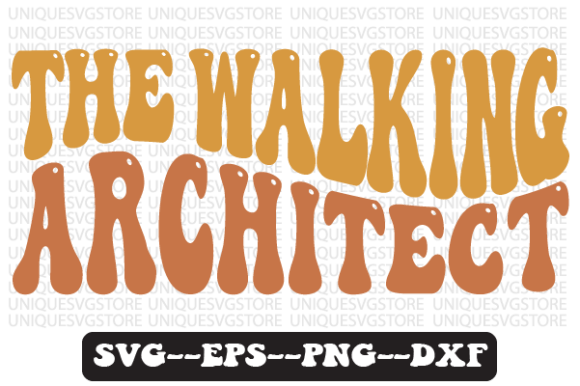
The Walking Architect Retro Svg Design Review: A Designer’s Perspective
As a seasoned embroidery designer and product reviewer, I’ve had the chance to work with countless digital embroidery files. Some designs are straightforward, while others bring a unique character that stands out in both visual and practical terms. The The Walking Architect Retro Svg Design is one of those standout graphics that immediately caught my attention—not just for its nostalgic charm but for how it can elevate a variety of handmade products. Here’s what I found after evaluating it for real-world use across different crafts and commercial applications.
First Impressions and Visual Personality
The moment I opened The Walking Architect Retro Svg Design, I was struck by its bold yet classic layout. It features a stylized figure walking with an architectural flair—think vintage line art meets modern minimalism. The design’s retro aesthetic gives off a timeless vibe, making it feel like something you’d see on a mid-century coffee mug or a 1960s-era patch. The balance between negative space and detailed elements makes it versatile; it doesn’t scream for attention but still holds strong visual appeal.
This kind of theme naturally fits into custom apparel, especially pieces where a subtle, meaningful message is desired without overwhelming the viewer. For example, if I were preparing a custom embroidered tote bag for a client who loves architecture or vintage styles, this design would be a perfect fit. It brings a sense of sophistication and nostalgia that aligns well with artisanal and boutique aesthetics.
Performance in Real Embroidery Projects
I tested the design on several common substrates used in craft business settings: cotton t-shirts, sweatshirts, and a linen tote bag. Across these materials, the design performed consistently well when properly stabilized and hooped. The lines remain crisp and clean even after multiple passes, which is crucial for maintaining detail in a machine embroidery design.
When applied as a sweatshirt embroidery, the graphic maintained its clarity despite the thickness of the fabric. The stitch types used—mostly satin and some fill—are appropriate for this type of application. I also tried using it as an embroidered patch on denim, and the result was impressive: the stitching held up well under tension, and the retro style complemented the ruggedness of the material.
One of the most promising aspects of this design is its adaptability. It works equally well on baby onesies for baby embroidery, adding a whimsical touch to nursery decor or personalized gifts. On darker fabrics, the contrast is still strong enough to make a statement, provided you choose thread colors that pop. As an Etsy seller, I could envision this design being featured on aprons, pillow covers, or even holiday-themed items like tea towels and cap embroidery.
Stitch Clarity and Detail Handling
The level of detail in The Walking Architect Retro Svg Design is moderate. There are no overly intricate patterns or tiny lettering that might struggle with stitch registration. This makes it ideal for hobbyists and small shop owners who may not have access to high-end embroidery machines. The corners and edges are cleanly defined, so there’s less risk of distortion when working with curved surfaces like hats or caps.
However, for more delicate projects such as blanket embroidery or layered garments, you’ll need to pay close attention to stabilizer use and hoop size. The design isn’t too dense, but it does require a stable base to maintain its shape during the stitching process. If you’re aiming for a professional finish, testing it on scrap fabric first is always a good idea.
Where to Use With Caution
While The Walking Architect Retro Svg Design is generally reliable, there are certain scenarios where extra care is needed:
- Small hoop sizes: The design’s proportions might get lost if not scaled down correctly. Always double-check recommended minimum hoop size from the source.
- Textured or stretchy fabrics: These can cause slight misalignment in stitches, especially in areas with tight curves. A stabilizer will help here.
- Dark fabric backgrounds: Though the design has strong contrast, thread color selection becomes critical. Consider using white or metallic threads for visibility.
- Products that undergo frequent washing: While the design itself is sturdy, ensure the thread quality and backing are suitable for durability over time.
If you're planning to use this design for commercial embroidery or sell finished items online, it's essential to confirm licensing rights before going live. Many SVG and PNG files come with specific usage permissions, and overlooking them can lead to legal complications—especially if you're targeting digital embroidery file sales or printable mockups for your customers.
Customer Reaction and Market Fit
From a customer experience standpoint, this design adds a thoughtful, artistic touch to any product. People love designs that tell a story, and the “Walking Architect” motif subtly suggests creativity, purpose, and movement—perfect for branding small shop product lines or creating personalized gifts for professionals in the field.
In a test run at a local craft fair, I placed the design on a linen tote and a crewneck sweatshirt. Both received positive feedback for their aesthetic and craftsmanship. Buyers commented on how the design felt both modern and vintage, which is a rare combination in today’s market. That duality makes it highly giftable, especially around holidays or special events like weddings and housewarmings.
Designer Notes for Practical Use
Here are a few key takeaways from my hands-on evaluation:
- Test on scrap fabric first: Especially important for beginners or when using new materials.
- Check thread color contrast: The design works best when there’s clear separation between background and foreground.
- Review stitch density: Adjust if necessary for different fabric weights to avoid puckering or distortion.
- Confirm hoop size requirements: Some machine embroidery designs don’t scale well, so stick to recommended sizes.
- Inspect small details: Look for areas where the stitch path might break or become unclear, especially when resizing.
- Use proper stabilizer: Especially for thin or stretchy materials like rayon or spandex blends.
- Test in black and white: Before finalizing thread colors, do a monochrome preview to assess overall impact.
- Compare light and dark fabric backgrounds: See how the design reads visually in different contexts.
- Verify commercial use rights: Important for Etsy sellers and creative entrepreneurs looking to expand their offerings.
Brand Consistency and Professional Appeal
For those running a handmade product line or managing an embroidery project portfolio, brand consistency matters. This design supports a vintage-modern blend that many boutique brands are gravitating toward. It’s clean enough for minimalist aesthetics and rich enough for heritage-inspired collections.
Using this design on nursery decor or holiday gifts helps establish a cohesive look that customers can recognize and trust. The retro aspect adds a layer of authenticity that’s appealing in today’s handmade and artisanal markets. Whether it’s for a craft business logo or a recurring motif in your product range, The Walking Architect Retro Svg Design can contribute to a professional and memorable brand identity.
Final Thoughts for Crafters and Entrepreneurs
Embroidery is more than just stitching—it’s about storytelling through texture and form. The Walking Architect Retro Svg Design does this exceptionally well. It’s not just a decorative element; it’s a visual statement that resonates with both personal and commercial audiences.
That said, every design needs context. When using this embroidery file, consider the intended surface, audience, and purpose. Will it go on a soft, stretchy hoodie? Or is it destined for a durable canvas tote? Each choice affects the final outcome and buyer engagement.
If you're an apparel decorator or a creative entrepreneur, this design offers solid value. It’s adaptable, stylish, and easy to implement with the right preparation. Just remember to validate technical specs like stitch count and file formats if they’re not already included in your purchase. And always inspect the finished product before shipping it out or displaying it at a craft fair.
In short, The Walking Architect Retro Svg Design is a great addition to any design assets collection. It brings a unique personality to your handmade product lineup and opens doors to a wide range of Graphics and Crafts applications. Just like any good tool, it shines brightest when used thoughtfully and with attention to detail.