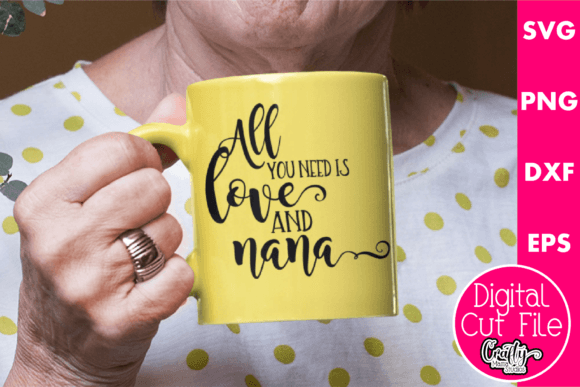
All You Need Is Love and Nana
As an embroidery designer with years of hands-on experience, I’m always on the lookout for digital embroidery files that not only look good in theory but also perform well in real-world applications. The design All You Need is Love and Nana caught my eye because it combines sentiment with a classic aesthetic — two key ingredients for successful handmade and commercial projects alike. Let me walk you through how this design feels when you start using it, what kind of products it fits best, and where to be cautious.
A Warm First Impression
When I first opened the digital file, I was struck by the soft, homey vibe it exudes. The layout is clean and balanced, with a central quote that’s easy to read and flanked by gentle floral or whimsical elements. It doesn’t scream for attention, which is a big plus if you’re aiming for something heartfelt rather than flashy. The shape is mostly flat with some gentle curves, making it suitable for both satiny and more casual fabrics.
The detail level is just right for most machine embroidery designs. It avoids overcomplication, which means it won’t clog your machine with unnecessary stitch types or density. That said, there are a few areas with tighter lines and small flourishes that require careful handling. This design naturally belongs on items like personalized sweatshirts, tote bags, or even baby clothes — anything where a warm, loving message is appropriate and needs to stand out without being overwhelming.
Real-Life Application: A Tote Bag Project
To test All You Need is Love and Nana, I decided to apply it to a custom embroidered tote bag. These are popular among Etsy sellers and boutique shops, especially during holidays or as sentimental gifts. The design scaled nicely at 6 inches wide, maintaining its clarity and charm. The text “Love and Nana” felt just large enough to be legible from a distance while still fitting comfortably within the space.
I used a white cotton canvas fabric with medium stabilizer underneath. The satin stitch around the letters held up well, giving a smooth finish. However, the decorative accents (like tiny hearts or flowers) required a bit more attention due to their smaller size. On a slightly textured fabric, these details can lose some definition unless you adjust the stitch density or use a finer thread.
Visually, the design added a lot of character to the project. It didn’t feel generic or mass-produced, which is essential for standing out in a crowded market. Customers would likely respond warmly to this on a gift item — think graduation keepsakes, birthday presents, or holiday stockings. It gives off a vintage-meets-modern feel that appeals to a broad audience.
What Works Well
- Custom Apparel: This design works beautifully on t-shirts and sweatshirts, especially those made for children or young adults. The theme is inclusive and heartwarming, making it ideal for family-oriented businesses or personal gifts.
- Tote Bags: As mentioned earlier, the scale and style suit larger surfaces perfectly. It adds a personal touch that customers love.
- Baby Items: For onesies, bibs, or blankets, the design brings a comforting warmth. Just make sure to avoid high-density stitching near seams or folds.
- Nursery Decor: Its gentle tone makes it a great fit for wall art, pillow covers, or framed embroidery pieces.
- Holiday Gifts: With a bit of tweaking, this could become a festive version of itself for Christmas or Valentine’s Day. The core sentiment remains timeless.
- Commercial Embroidery: If you're selling finished products or digital embroidery files, this has potential. Just confirm licensing before offering it commercially.
Where Caution is Key
While All You Need is Love and Nana is versatile, it's not a one-size-fits-all solution. Here are a few situations where you should take extra care:
- Small Hoop Sizes: The design may need resizing, and doing so can affect the readability of the text. Always check whether the resized version maintains its visual integrity.
- Textured or Stretchy Fabrics: These can cause distortion in the stitch lines, especially in the curved parts of the letters or the decorative elements. A firm stabilizer helps, but results may vary.
- Dark Fabric Backgrounds: Thread color contrast becomes critical here. Light-colored threads will pop better, but they can fade over time. Consider testing different thread combinations before committing to production runs.
- Curved Surfaces: Like caps or hats, the design might appear warped if not properly adjusted for the curvature. Using a stretch-resistant backing stabilizer and adjusting the tension can help mitigate issues.
- Dense Stitch Areas: If your hoop size allows, you can manage stitch density effectively. But in tight spaces, it may lead to puckering or fraying, especially on thinner materials.
- Frequent Washing: For items like aprons or tea towels, ensure you use durable thread colors and proper stabilizers to prevent fading or loosening after multiple washes.
Visual Appeal and Branding Potential
This design has a strong emotional pull, which is crucial for any handmade product. It enhances the product value subtly, suggesting quality and thoughtfulness. When displayed on an Etsy listing or in a craft fair, it can boost customer trust and buyer engagement, especially for those who appreciate personalized, sentimental items.
From a branding standpoint, it supports brand consistency for shops focusing on family, love, or nostalgic themes. The design assets included, such as the PNG file and SVG format, make it easy to preview and promote in printable mockups or social media posts. That’s a huge advantage for digital product sellers looking to offer instant downloads or customizable templates.
Designer Notes and Tips
Here are a few practical tips based on my experience working with this design:
- Test on Scrap Fabric First: Especially if you're planning to use it on thin or stretchy materials. You’ll get a clearer idea of how the stitches lay and whether the design holds up under pressure.
- Check Thread Color Contrast: If you're using dark fabric, opt for light thread colors to maintain visibility. Conversely, if the fabric is light, consider using bold, contrasting hues for a stronger visual impact.
- Review Stitch Density: In dense areas, particularly around the text, reduce the stitch density slightly to avoid puckering or excessive bulk.
- Confirm Hoop Size: Make sure your hoop is large enough to accommodate the full design without stretching the fabric. If not, consider trimming non-essential elements or splitting the design into sections.
- Inspect Small Details: The little embellishments add personality, but they can be tricky on some machines. Zoom in and test them separately if needed.
- Use Proper Stabilizer: Depending on the fabric type, choose between tear-away, cut-away, or wash-away stabilizers. Cotton blends often work well with tear-away, while synthetics may need cut-away support.
- Test in Black and White Mockups: Before finalizing thread colors, see how the design looks in grayscale. This helps determine if the visual hierarchy still makes sense without color cues.
- Compare Light and Dark Fabrics: The same design can have very different effects depending on the background. Test both extremes to understand its versatility.
- Check Licensing Terms: If you plan to sell finished products or resell the embroidery file, make sure the license allows for commercial use. Otherwise, you risk legal issues down the line.
Final Thoughts on All You Need is Love and Nana
All You Need is Love and Nana is a thoughtful and visually appealing embroidery project that can elevate a variety of crafts and graphics-based products. Its charm lies in its simplicity and sincerity, making it a perfect fit for personalized gifts and small shop merchandise. Whether you're creating a batch of custom sweatshirt embroidery or designing a new line of tote bag designs, this file offers a solid foundation for a meaningful finished product.
That said, don’t overlook the nuances. Because of its delicate features, it requires a bit more attention to detail than a standard logo or icon. Still, for the right project — especially those meant to convey warmth and connection — it’s worth the effort. As a reviewer, I’d say it's a reliable choice for hobbyists and professionals alike, provided you approach it with the right tools and expectations.